
Magha Nakshatra – Ancestral Authority, Karmic Lineage & Complete Pada Interpretation
Introduction
Magha Nakshatra is the tenth lunar mansion in the sidereal zodiac, spanning from 0°00′ to 13°20′ Leo. It is ruled by Ketu and presided over by the Pitris, the ancestral spirits. The Sanskrit word “Magha” means “mighty,” “great,” or “royal,” and it conveys themes of lineage, authority, inheritance, and karmic continuity.
If Ashlesha internalizes emotional complexity, Magha externalizes identity through ancestral power. It marks the beginning of Leo, the royal sign ruled by the Sun, and therefore carries themes of throne, dignity, recognition, and legacy.
Astronomically, Magha corresponds to the bright star Regulus (Alpha Leonis), historically associated with kingship and rulership in multiple astrological traditions.
Classical Scriptural Foundation
The Pitris, who preside over Magha, are revered in Vedic literature as the ancestral beings who guide lineage and karmic inheritance. In the Rig Veda, reverence to the ancestors is expressed as:
“श्रद्धया देयमश्रद्धया अदेयम्”
While this line appears in later Upanishadic teachings, the broader Vedic tradition emphasizes honoring lineage through Shraddha rites and ancestral offerings.
Another Rig Vedic invocation to the Pitris states:
“आगच्छन्तु नः पितरः सोम्याः”
“May our ancestors come to us in grace.”
This establishes Magha as the Nakshatra of ancestral continuity and inherited karma. Unlike Pushya’s nourishment or Ashlesha’s psychological entanglement, Magha operates through inherited authority and duty toward lineage.
Symbolism and Core Attributes
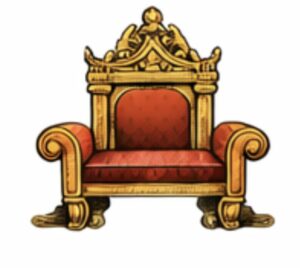
- Symbol: Throne or royal seat
- Ruling Planet: Ketu
- Deity: Pitris (Ancestors)
- Guna: Rakshasa
- Motivation: Artha
- Zodiac Span: Entirely in Leo
The throne symbolizes inherited authority rather than earned power. Magha natives often feel a strong connection to family heritage, cultural identity, or institutional legacy.
Ketu’s rulership adds an interesting paradox: while Leo seeks recognition, Ketu dissolves ego attachments. Thus Magha natives often oscillate between pride in lineage and detachment from personal glory.
Psychological Architecture (Moon in Magha)
When the Moon occupies Magha, emotional identity is strongly tied to ancestry, tradition, or inherited expectations. These individuals frequently feel a sense of responsibility toward family honor or social standing.
Common psychological themes include:
- Strong pride in heritage
- Natural leadership presence
- Desire for recognition and respect
- Attachment to titles or status
- Periodic detachment from ego-driven pursuits
Ketu introduces spiritual undertones, often producing individuals who appear authoritative yet inwardly detached.
Strengths
- Leadership and charisma
- Institutional awareness
- Respect for tradition
- Ability to command presence
- Strong sense of duty
Challenges
- Excessive pride
- Authoritarian tendencies
- Difficulty accepting subordination
- Identity crises related to lineage
Magha’s throne is not merely symbolic; it reflects internalized authority structures.
Classical Interpretations in Jyotish Texts
Phaladeepika describes Magha natives as:
- Proud
- Wealthy
- Honored by society
- Devoted to ancestral traditions
Jataka Parijata notes that such individuals may hold positions of respect and often seek prominence.
These descriptions must be contextualized through house placement and planetary aspects.
Historically Documented Personality Example
A widely cited example in Vedic astrology circles is Indira Gandhi (19 November 1917, 11:11 PM, Allahabad, India). Using Lahiri ayanamsha, several astrologers calculate her Moon in Magha Nakshatra.
Her life reflects core Magha themes:
- Strong political lineage (daughter of Jawaharlal Nehru)
- Inherited authority
- Commanding leadership presence
- Complex relationship with power and legacy
Her identity was deeply tied to ancestry and national leadership, embodying Magha’s throne symbolism.
While minor rectification discussions exist, her Moon placement in Magha is frequently referenced in Jyotish literature.
The Four Padas of Magha
Magha spans Leo entirely, and each Pada modifies expression through distinct Navamsa influences.
Magha Pada 1 (0°00′–3°20′ Leo) – Aries Navamsa
This Pada produces assertive and bold leadership. Authority is expressed directly and sometimes aggressively. These individuals may actively seek leadership roles and command environments.
Magha Pada 2 (3°20′–6°40′ Leo) – Taurus Navamsa
Material stability becomes central. These natives focus on securing wealth and preserving family assets. Authority is expressed through financial stewardship.
Magha Pada 3 (6°40′–10°00′ Leo) – Gemini Navamsa
Communication skills enhance leadership style. These individuals often influence through speech, writing, or media presence rather than sheer dominance.
Magha Pada 4 (10°00′–13°20′ Leo) – Cancer Navamsa
Emotional connection to lineage deepens. Family bonds become central, and protective instincts are strong. Leadership is expressed through guardianship rather than assertion.
Career and Professional Inclinations
Magha frequently aligns with:
- Politics and governance
- Institutional leadership
- Corporate management
- Cultural or religious authority
- Family business leadership
However, career outcomes depend heavily on Sun placement, Ketu’s dignity, and the 10th house configuration.
Relationship Psychology
Magha natives value respect and loyalty in relationships. They often prefer partners who recognize their authority or social standing.
Challenges arise when pride interferes with emotional vulnerability. Mature Magha individuals learn humility alongside dignity.
Spiritual and Karmic Dimension
Ketu’s rulership introduces detachment from ego identity. Despite external authority, many Magha natives eventually seek spiritual grounding beyond status.
A Vedic prayer honoring lineage states:
“स्वधा नमः पितृभ्यः”
“Obeisance to the ancestors.”
Magha’s spiritual growth often involves reconciling personal ambition with ancestral responsibility.
Dasha and Transit Effects
When Magha Nakshatra becomes active in Dasha or transit:
- Leadership opportunities may arise
- Family responsibilities increase
- Public recognition intensifies
- Identity transformation occurs
These periods often involve questions of legacy and authority.
Conclusion
Magha Nakshatra represents ancestral power and inherited authority. It transitions the emotional cycle from Ashlesha’s subtlety into Leo’s visible sovereignty.
Accurate interpretation requires assessing:
- Sun’s strength and placement
- Ketu’s dignity
- House placement of the Moon
- Pada variation
- Dasha cycles
When properly understood, Magha reveals the archetype of the custodian of lineage, the bearer of legacy, and the individual who must reconcile pride with spiritual detachment.


